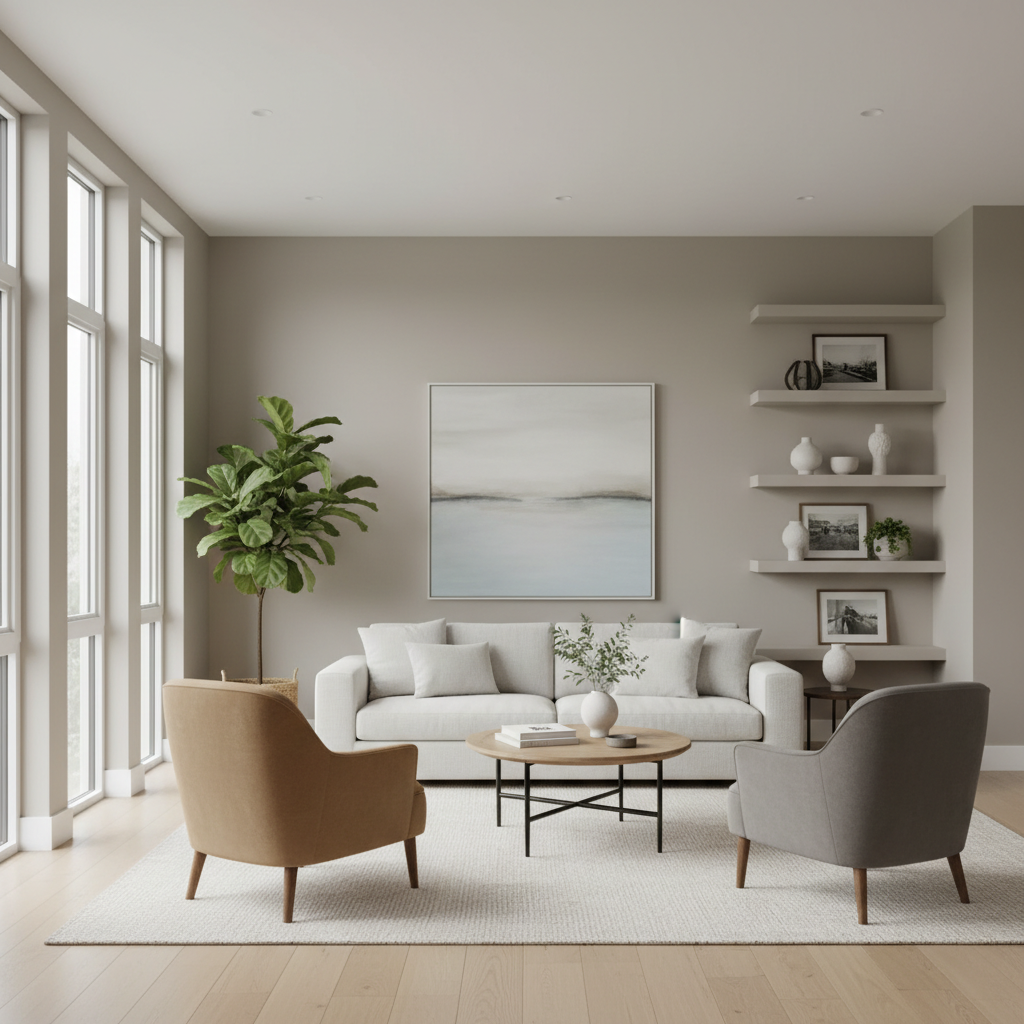
You have one chance to make a first impression on buyers, and most sellers underestimate just how much money is left on the table when a home hits the market looking anything less than its absolute best. In Australia's competitive property landscape, where buyers are scrolling through hundreds of listings before committing to a single inspection, presentation is not a cosmetic concern; it is a financial one. The good news is that you do not need a full renovation budget to compete. In this guide, you will learn practical, proven strategies covering everything from kerb appeal and decluttering to lighting, minor repairs, and common staging mistakes, so you can walk into your sale with confidence and attract the strongest possible offers.
Why Presentation is the Highest-Leverage Move You Can Make Before Listing
Across the Australian property market, well-presented homes consistently attract more enquiries, more competing offers, and stronger final sale prices than comparable properties that go to market unprepared. That is not opinion. It is the pattern that plays out at auction after auction, suburb after suburb.
Buyers make emotional decisions fast. Research consistently shows that first impressions form within seconds, whether a buyer is scrolling through listing photos on realestate.com.au or pulling up to the kerb for the first time. By the time they have stepped through the front door, a significant part of their price ceiling has already been set.
The good news is that maximising this effect rarely requires a major renovation budget. The most effective home presentation tips for sellers in Australia are overwhelmingly low-cost and high-impact. A fresh coat of paint, the right furniture arrangement, strategic decluttering, targeted repairs. These moves consistently outperform expensive upgrades in terms of return on investment.
The sections that follow cover each priority action in order of impact, so you can focus your time and money where it counts most.
Start at the Street: Kerb Appeal Sets the Tone Before Buyers Step Inside

Before a buyer sets foot inside your home, they have already formed an opinion. In online listings, the exterior photo is the first thing a buyer sees, and in many cases it determines whether they click through at all. A tired facade does not just create a poor impression; it gives buyers a mental anchor to negotiate from before they have even opened the front door.
In Queensland, this matters even more than in southern states. Outdoor living is a genuine lifestyle drawcard, and buyers actively assess the exterior as a liveable space, not just an entry point. A neglected front yard signals neglect throughout.
The fixes are straightforward:
Mow and edge the lawn cleanly, including along garden beds and paths
Trim any hedges or shrubs that have grown across fences or windows
Pressure-wash the driveway, front path, and any concrete or timber surfaces
Repaint or at minimum scrub down the front fence and letterbox
Replace or polish door hardware, including the knocker, handle, and house numbers
Add one or two potted plants either side of the entrance for a finished look
These steps cost very little and photograph exceptionally well, which directly affects listing click-through rates.
Decluttering: The Single Highest-ROI Step in Home Presentation
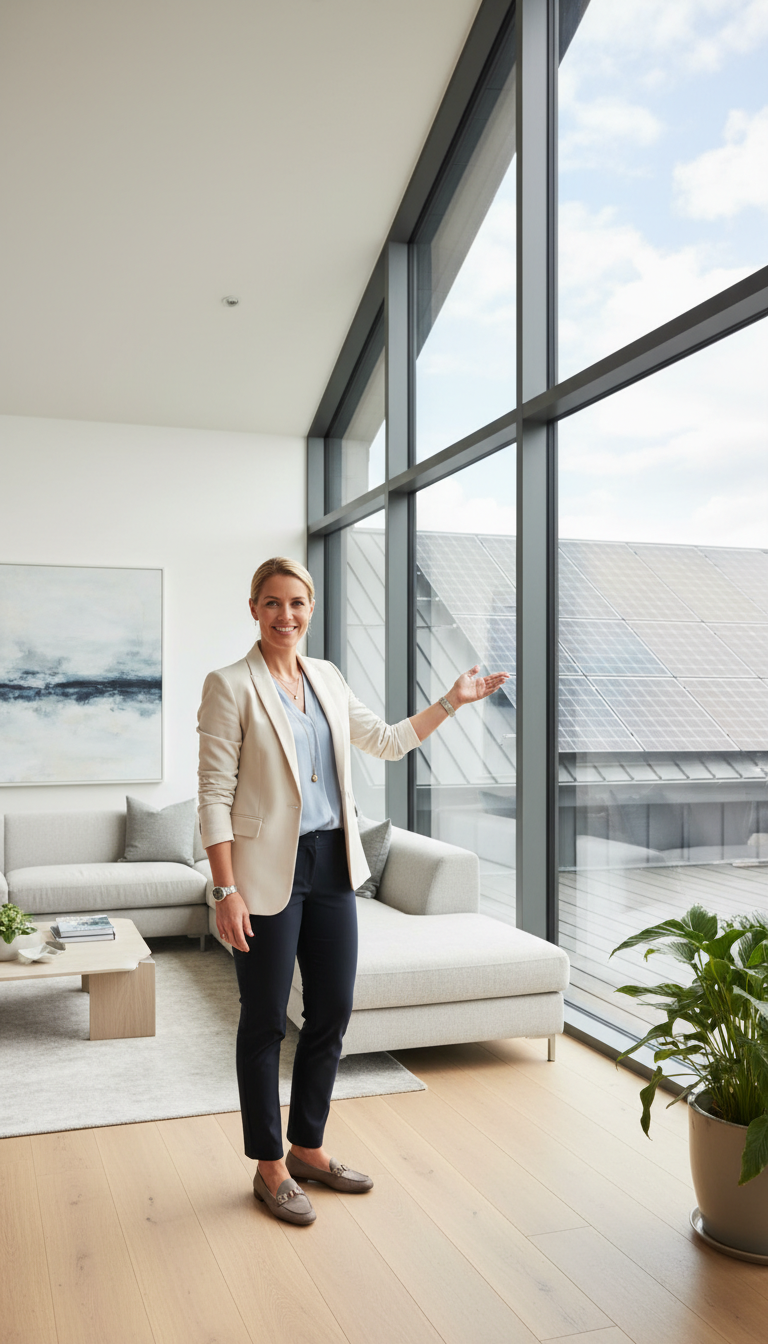
Once the exterior makes its first impression, the next thing buyers assess is how a home feels to move through. And nothing undermines that feeling faster than clutter. Of all the home presentation tips for sellers Australia-wide, decluttering delivers the strongest return on investment relative to cost, because the cost is essentially your time and a storage unit hire.
The reason it works so decisively comes down to perception. Excess furniture makes rooms photograph smaller, draws the eye away from the property's actual features, and quietly signals to buyers that storage may be inadequate. None of those are impressions you want anchoring their offer.
Here is specific guidance by area:
Every room: Remove at least one-third of existing furniture. If it feels sparse to you, it likely reads as spacious to a buyer.
Kitchen: Clear benchtops completely. Every appliance, every utensil holder, every decorative item comes off.
Living and dining areas: Pack away collections, excess cushions, and any decor that competes visually with the room itself.
Bedrooms: One bedside table per side, minimal surfaces, wardrobes half-emptied so they appear generous in storage.
Hire a storage unit for the duration of the campaign. It is one of the lowest-cost, highest-impact decisions a seller can make before going to market.
Deep Cleaning: Because Buyers Notice What You Stop Seeing
Once the clutter is gone, the next layer buyers read is cleanliness. Sellers who have lived in a home for years often stop seeing the grout discolouration in the shower, the grease film on the range hood, or the carpet traffic marks through the hallway. Buyers walking in for the first time see all of it, and they draw direct conclusions about how well the property has been maintained overall.
A deep clean is not the same as a tidy-up before an inspection. It means addressing the accumulated grime that routine cleaning misses:
Carpets: Professional steam cleaning removes embedded dirt, stains, and odour that vacuuming cannot touch. This is non-negotiable before going to market.
Bathrooms and kitchen grout: Discoloured grout reads as neglect. A professional grout clean or re-grout transforms these areas for relatively little cost.
Oven and range hood: Grease build-up is one of the first things buyers notice in a kitchen.
Windows inside and out: Clean glass dramatically increases perceived light, which directly supports the spaciousness buyers are looking for.
Exhaust fans: Dust-caked fans signal inattention to detail.
Odours: Pet smells, cooking residue, and dampness are immediate psychological red flags. Address the source, not just the symptom.
Hire professionals for the carpets and bathrooms or DIY. A home that looks and smells genuinely clean gives buyers confidence that nothing has been neglected behind the walls either, and that confidence translates directly into stronger offers.
Depersonalising Your Home So Buyers Can Picture Themselves Living There
A spotless, decluttered home still has one more barrier to overcome: the seller's personality. Buyers purchase emotionally first and justify with logic second. For that emotional connection to form, they need to mentally place themselves inside the space, and that process is directly interrupted by evidence that someone else already lives there.
Family photos, children's name wall art, sports memorabilia, and polarising decor collections all anchor the property to its current owners. Buyers start feeling like visitors rather than future residents. Remove them.
Replace them with neutral, aspirational touches that suggest lifestyle without claiming ownership:
A simple vase with fresh stems on the dining table
Fresh white towels folded neatly in the bathroom
A bowl of fruit on the kitchen bench
One or two understated artworks in neutral tones
This can feel uncomfortable, even a little sad. That reaction is normal. But this is a part of the moving process, not a reflection of your home's value or your memories in it. Depersonalising is not about making the space feel vacant; it is about making it feel available. A blank canvas reads as possibility, and possibility is exactly what motivates buyers to stretch their offers.
Maximising Light and Space: The Two Things Buyers Always Want More Of

Light and space are the two qualities buyers respond to most viscerally, and they are deeply connected. A darker room feels smaller. A cramped room feels heavier. Addressing both together multiplies the effect.
For light, start with the windows you have already cleaned. Now replace any low-wattage globes throughout the home with warm white LEDs, aiming for around 2700 to 3000 Kelvin. Cool blue light makes rooms feel clinical and uninviting in photos. Remove heavy drapes and window tints entirely if possible; if curtains need to stay, tie them back fully for inspections and photography. In darker hallways or south-facing rooms, a well-placed mirror opposite a window can double the perceived brightness without a single structural change.
For space, clear traffic paths through every room so movement feels natural and unobstructed.
In Queensland specifically, indoor-outdoor flow is a genuine value driver. Open stacker or sliding doors fully during inspections and stage the outdoor area as a functional living space, not a storage overflow. Buyers should see the connection between inside and outside as seamless, because in this climate, that connection is part of what they are paying for.
Small Repairs That Send a Big Message to Buyers
With light and space addressed, buyers are now looking closely, and what they find in those details matters more than most sellers expect.
As buyers move through a property, they are unconsciously building a defect register. Every dripping tap, cracked switchplate, sticking door, scuffed skirting board, missing tile, or blackened silicone bead gets added to that list. Individually, each item seems minor. Collectively, they tell a story: that the home has not been well maintained. And if the visible maintenance has slipped, buyers start wondering what has been neglected behind the walls, under the floors, or inside the roof cavity.
Start with the low hanging fruit, if it's too hard, hire a good handyman, who will be able to look after most if not all of the minor issues for you.
This is where perception becomes pricing. A buyer who counts six defects in a walkthrough will mentally discount their offer, often by far more than the actual repair cost.
Work through this checklist before going to market:
Fix dripping taps throughout the home
Replace any cracked or discoloured power point and light switch covers (consider changing all of them if aged)
Re-silicone around baths, showers, and splashbacks where the existing silicone has lifted or discoloured
Fill and repaint scuffed, chipped, or marked walls and skirting boards
Oil squeaky door hinges and wardrobe runners
Test every door and window to confirm they open and close without resistance
Most sellers can complete this entire list for well under $500 in materials and a few hours of effort, or a day's work from a local handyperson. The preserved value in buyer confidence is consistently worth multiples of that investment.
The Biggest Home Staging Mistakes That Cost Australian Sellers Money
Knowing what to do is only half the equation. Knowing what not to do is where sellers lose money.
The most common and costly mistake is over-renovating before sale. A full kitchen gut and refit can cost $25,000 to $40,000, but buyers in most markets will only credit you $12,000 to $18,000 of that in their offer. The gap between what you spend and what you recover is real, and it is largely invisible to sellers who have not had their property professionally assessed first.
Other mistakes that routinely cost sellers:
Furniture that is too large for the room. Oversized sofas and beds do not read as generous; they read as cramped. Scale matters in both photos and inspections.
Mismatched themes. Be cohesive in your decor. One colour choice is better than 2 that don't quite work.
Neglecting the backyard. In Queensland especially, an unfinished outdoor area undercuts the entire lifestyle proposition of the home.
Artificial air fresheners. Heavy fragrance products make buyers immediately suspicious that something is being masked.
Inconsistent presentation. The living areas look immaculate, but buyers open the laundry door and find boxes stacked to the ceiling. Buyers look everywhere.
Skipping professional photography after completing all the preparation work. Poor photos erase the effort entirely.
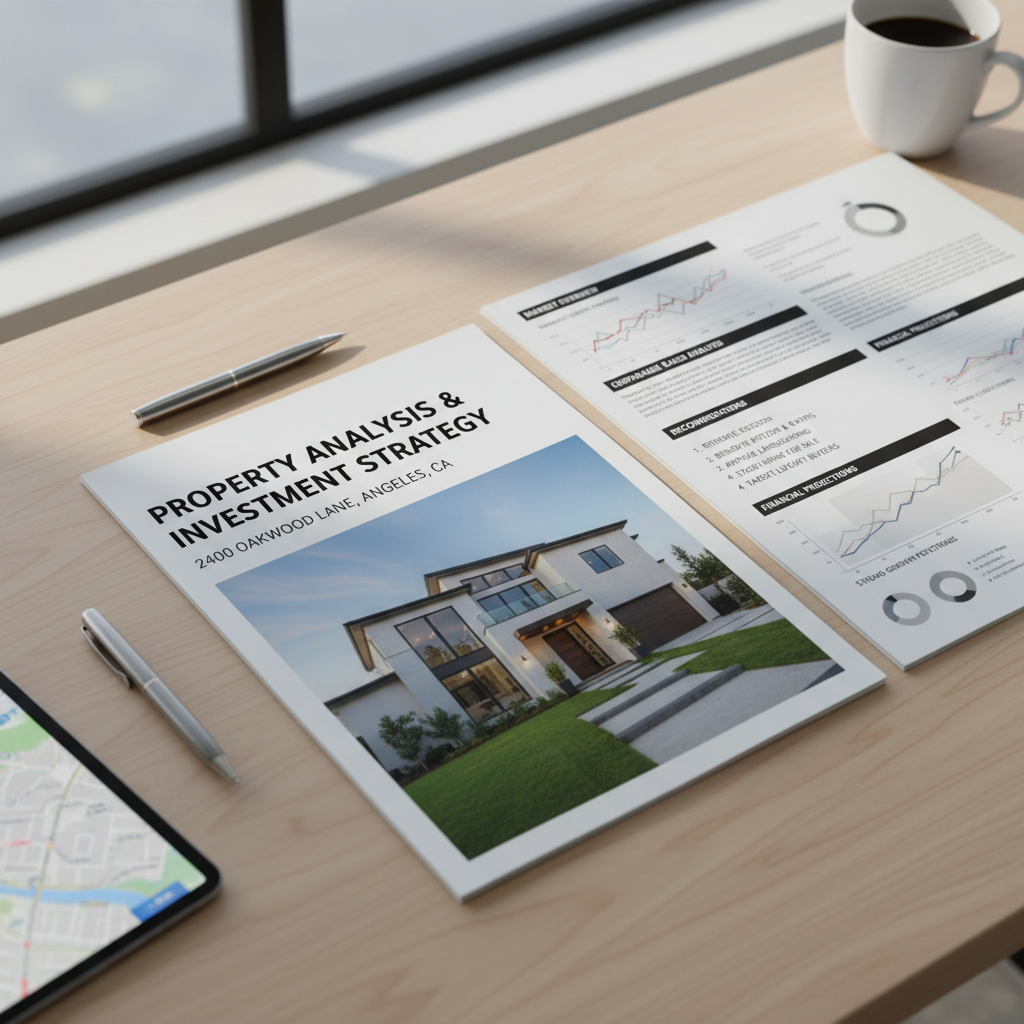
A personalised property presentation report identifies exactly where your money will and will not work before you spend a cent.
When Is the Hardest Month to Sell a Home in Australia?
December and January are widely regarded as the hardest months to sell a home in Australia. Buyer activity drops sharply over the holiday period, families are away, and those who are home are largely distracted. Fewer active buyers means less competition at inspections, and less competition at inspections almost always means lower offers.
June and July present a secondary slowdown in some southern markets, though Queensland's mild winters reduce this effect considerably. Sellers in Brisbane and across regional Queensland rarely face the same inspection drop-off that Melbourne or Sydney sellers experience mid-year.
That said, timing is only one variable, and it is largely outside a seller's control. Presentation is not.
A well-presented home listed in December will consistently outperform a poorly prepared home listed in the peak spring selling season. The buyers who are active during quieter periods are typically serious and motivated. Give them a home that is clean, well-lit, properly staged, and free of visible defects, and you remove every reason to hesitate or negotiate downward. These home presentation tips for sellers Australia-wide apply regardless of which month you go to market.
Get a Clear Action Plan Before You Spend a Dollar
Every principle covered in this article applies somewhere. The question is which ones apply to your property, in your condition, at your price point, within your timeline. Getting that wrong means spending money on presentation work that buyers will not credit you for, or missing the low-cost fixes that would have made the real difference.
The SellWise Australia Pre-Sale Profit Boost Audit is a $500 remote service designed to answer that question precisely. A property consultant conducts a remote walkthrough of your home and delivers a personalised written report identifying the highest-return cosmetic fixes and presentation strategies specific to your property and selling timeline. No guesswork, no generic checklists.
You get clarity on exactly where to focus, what to skip, and how to go to market with confidence. Book your Pre-Sale Profit Boost Audit before you spend a dollar on preparation.